
Industrial Tank Foam Filling Service in Westhoughton
Foam Filling Solutions for Industrial Storage Vessels
Get a Free Quote From Us Today!
We aim to get back to you in 24 hours.
At Industrial Tank Foam Filling Service, we offer specialised foam filling for industrial tanks in Westhoughton and surrounding areas, including the BL5 3 postcode area. Our service effectively reduces the empty internal void within redundant tanks where physical removal is impractical.
Using advanced foam formulations, we cater to various industrial applications, ensuring safety and compliance with industry standards. Call Industrial Tank Foam Filling Service to learn more about our industrial tank foam filling solutions.
Get a Free No Obligation Quotation Today
What Is Industrial Tank Foam Filling?
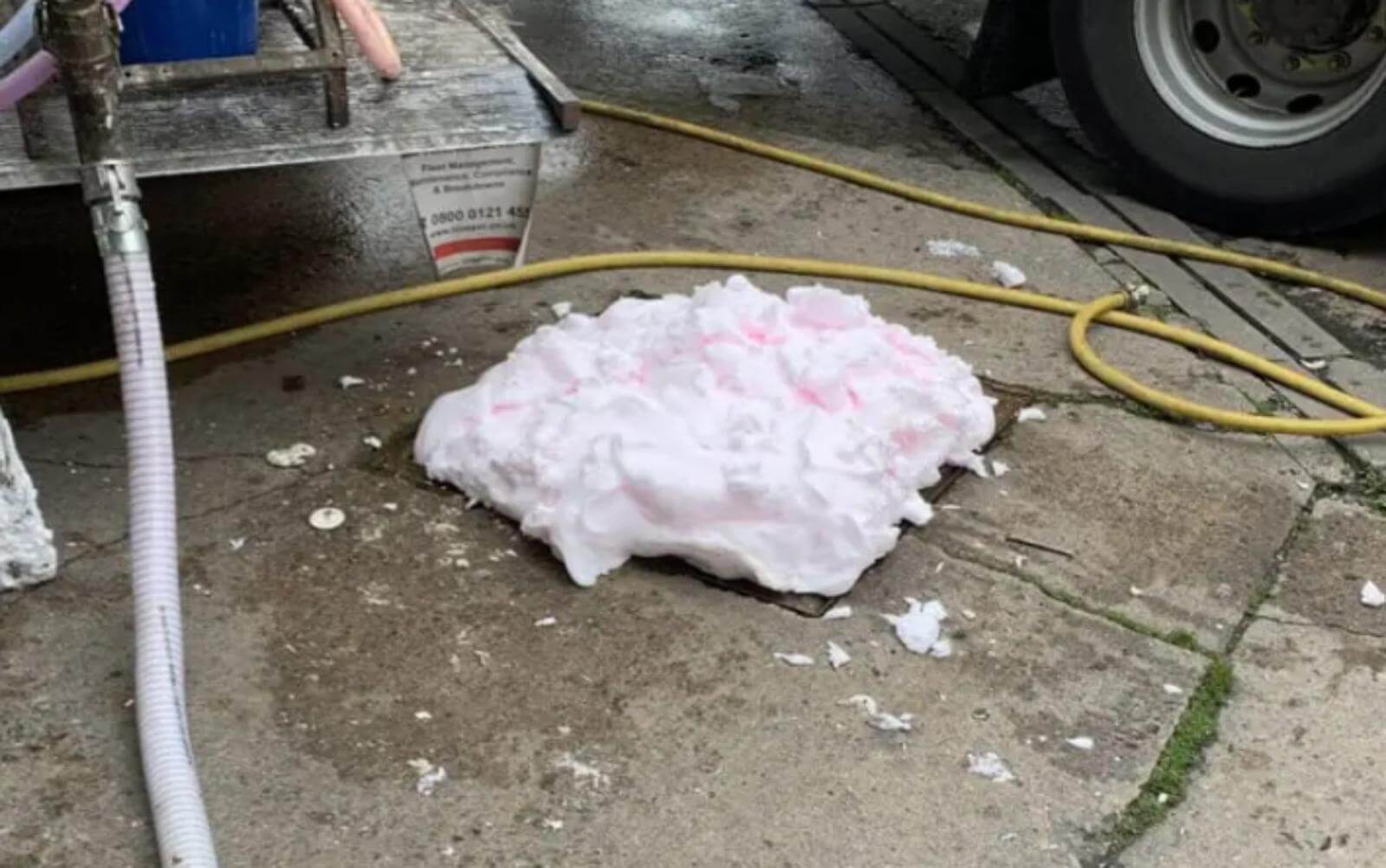
Industrial tank foam filling is a process where we use a specially formulated foam, typically polyurethane, to fill the empty spaces within redundant tanks. Polyurethane foam is favoured for its excellent stability and resistance to environmental factors, making it ideal in harsh industrial conditions.
This method is particularly beneficial in Westhoughton, where removing tanks may not be feasible due to logistical constraints or cost.
By filling tanks with foam, we prevent structural weaknesses and potential hazards, such as corrosion or collapse, which can occur if tanks are left empty and unmaintained. This eco-friendly process complies with current environmental regulations and is ideal for various industrial sectors, including chemical manufacturing and oil and gas storage, that require efficient space management and safety assurance.
Typically completed within two to three days, our foam filling service ensures minimal disruption to ongoing operations while enhancing site safety.
How Much Does Industrial Tank Foam Filling Cost in Westhoughton?
Industrial tank foam filling costs typically range between £50 to £100 per cubic metre in Westhoughton. The exact pricing is influenced by various factors: tank size, the specific type of foam used, and the site’s accessibility.
We use a variety of foam types, including closed-cell polyurethane foam, which offers excellent thermal insulation and structural support, often aligning with industry standards like ASTM D1621 for compressive strength. Larger tanks may require more preparation time and might involve additional equipment such as agitators for thorough mixing and even foam distribution.
Limited access sites may necessitate the use of mobile foam pumping units, which can affect pricing.
Our team provides a tailored quote based on these specific considerations, ensuring cost-effective solutions that prioritise safety and efficacy. Contact us to arrange a detailed assessment and receive a precise estimate for your tank foam filling needs.
Request a free quote
Why Choose Industrial Tank Foam Filling Service for Industrial Tank Foam Filling in Westhoughton?
Choosing Industrial Tank Foam Filling Service for your tank foam filling needs in Westhoughton ensures you receive expert handling with a focus on safety and reliability. We use industry-approved foam materials, including open-cell and closed-cell polyurethane, which have a proven track record in reducing void spaces efficiently and providing thermal insulation.
Our team conducts a detailed site assessment to determine the appropriate foam density and application method, ensuring optimal performance and compliance with safety standards like BS EN 13501 for fire performance. We employ precision equipment for foam application, maintaining uniform coverage and adhesion.
Our experienced team prioritises client satisfaction by providing bespoke solutions tailored to your industrial requirements. We cater to various industries, including chemical processing and food storage, where tank integrity and efficiency are critical.
Speak with us today to discuss your project specifications.
Frequently Asked Questions
How is the foam filling applied to the tank?
Our foam filling is applied using specialised pumps and hoses that inject the foam directly into the tank voids in Westhoughton. This ensures a uniform fill and solidification, providing structural integrity.
What types of tanks can be foam filled?
We can foam fill a wide range of industrial tanks, including steel, fibreglass, and concrete, making it suited for numerous applications across different industries.
How long does the foam filling process take?
The foam filling process typically takes one to two days, depending on tank size and site conditions in Westhoughton. Our team works efficiently to minimise disruption.
Can foam filling be removed if needed?
Yes, the foam can be removed if future removal or replacement of the tank is required. Our process allows for flexibility and adaptability in changing circumstances.
Is foam filling environmentally friendly?
Foam filling is an eco-friendly option as it eliminates the need for tank removal and reduces waste. The materials we use comply with environmental regulations and safety standards in Westhoughton.
Get a Free Quote for Industrial Tank Foam Filling Service in Westhoughton
Contact Industrial Tank Foam Filling Service for a free, no-obligation quote on your industrial tank foam filling needs in Westhoughton. Get a Free Quote.
speak with our team today
What People are Saying About Us
★★★★★
“We had a redundant storage tank that was difficult to remove due to surrounding equipment and site restrictions. Foam filling was assessed as a potential solution, helping us consider a practical approach to tank decommissioning.”
Daniel Foster
North West
★★★★★
“Our facility needed to address an unused industrial tank without extensive excavation. The initial assessment helped us understand the preparation involved, the suitability of foam filling and the considerations for managing the tank safely.”
Cerys Evans
North West
★★★★★
“We wanted to manage a redundant tank as part of changes to our production facility. The proposed foam filling process gave us a clearer picture of the work involved and how it could fit into our site plans.”
Steffan Owens
North West
★★★★★
“Decommissioning a redundant storage vessel required careful consideration of residual contents and potential environmental risks. The assessment helped us identify the issues that needed attention before deciding on the appropriate tank abandonment method.”
Jasper Holloway
North West
Our Locations
Looking for our services in another area in Greater Manchester? We are proud to work nationally across the UK, allowing us to ensure we can provide our specialist Industrial Tank Foam Filling Service services to you.
For a full list of locations we cover in Greater Manchester, see below.